1942
On the ration
BBC archive reporting dates the rationing of sweets and chocolate to 26 July 1942, two and a half years after food rationing began on 8 January 1940.
Walk the timeline doodlesweets
A SLICE OF HOME FRONT HISTORY
Sweets went on the ration in the summer of 1942.
They stayed there, apart from a four-month false start in 1949, until February 1953. Contemporary reports, the House of Commons record and the Imperial War Museum tell the story.
1942 to 1953
Walk the timelineTHE SHORT ANSWER
Rationing began in 1940.
Sweets joined it in 1942 and were among the later foods freed.
1942
BBC archive reporting dates the rationing of sweets and chocolate to 26 July 1942, two and a half years after food rationing began on 8 January 1940.
Walk the timeline1949
Sweets were de-rationed in April 1949, but demand far outstripped supply and they went back on the ration after just four months.
See the numbers1953
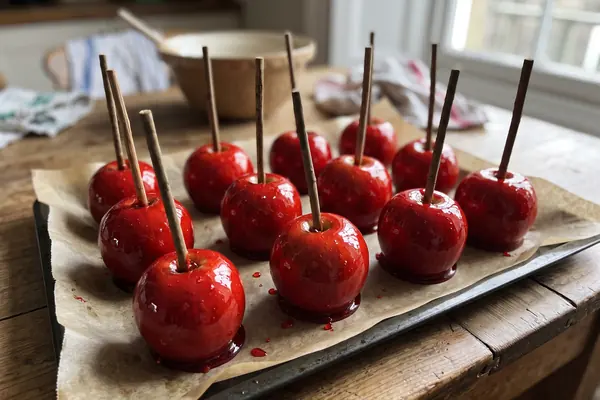
The Minister of Food told the Commons on 4 February 1953 that rationing and price control of chocolate and sweets ended that day. Toffee apples sold fastest.
The day itself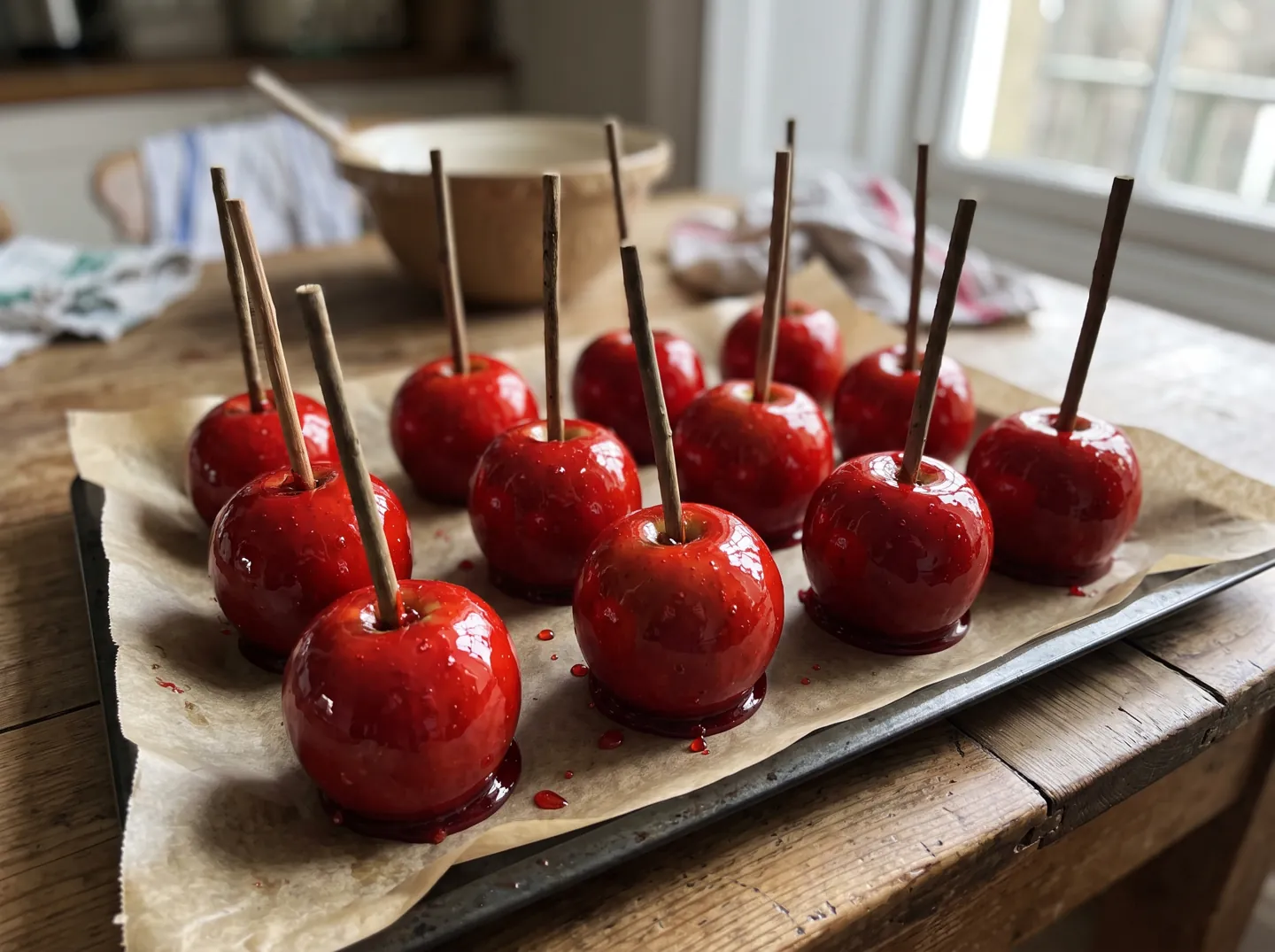
5 FEBRUARY 1953
The BBC's report on the first day of unrationed sweets describes a rush, but not a panic.
Children all over Britain headed for the nearest sweet shop as the first unrationed sweets went on sale.
Toffee apples were the biggest sellers, with sticks of nougat and liquorice strips also going fast.
One firm on Clapham Common gave 800 children 150 lb of lollipops during their midday break from school.
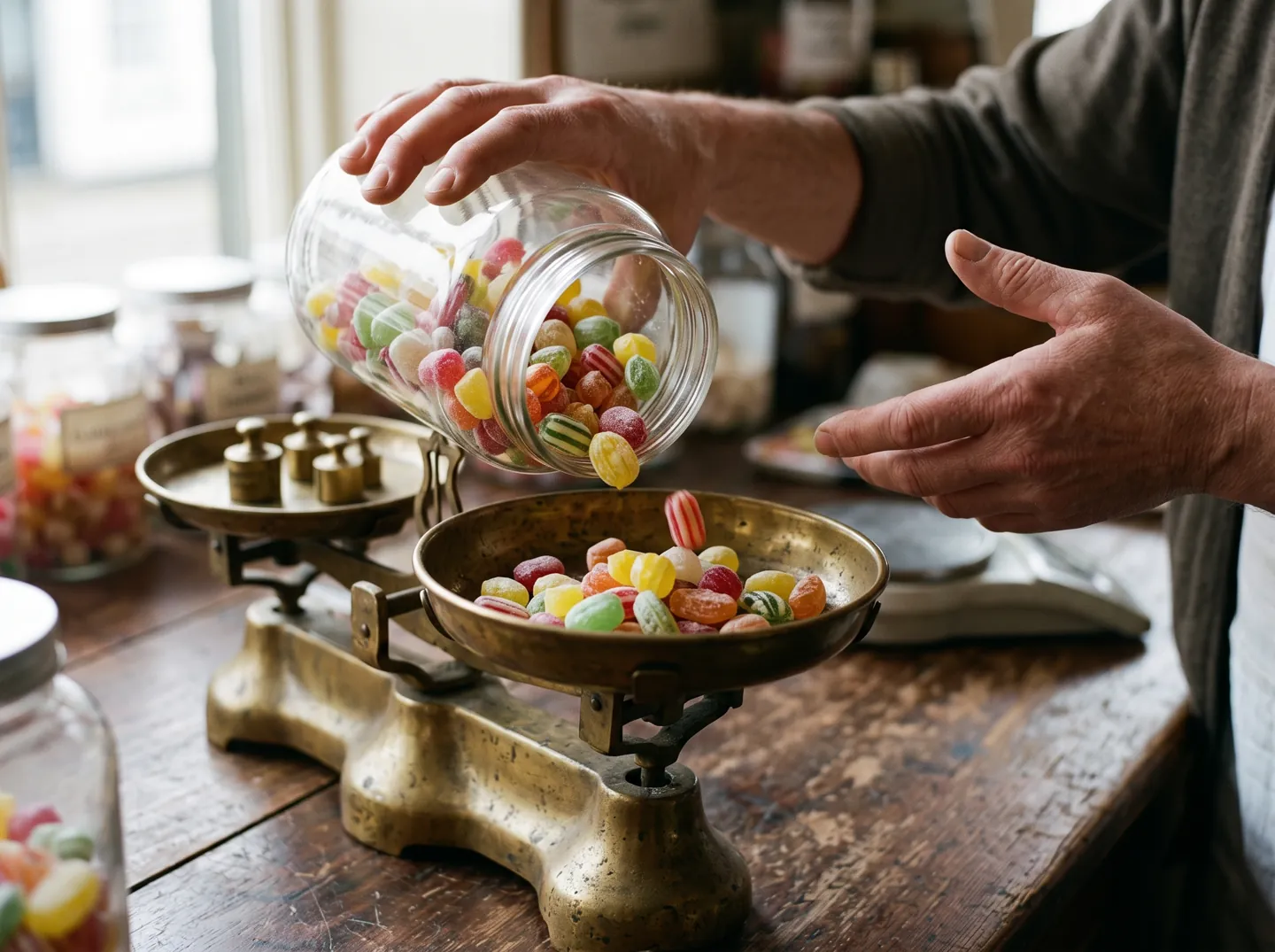
City workers queued in their lunch breaks for boiled sweets and 2 lb boxes of chocolates to take home.
TWO NUMBERS WORTH KNOWING
One figure on the sugar makers had to work with,
one on what the sweet ration had become.
54%
Sugar for makers vs before the war
When sweets were freed, manufacturers had only 54% of their pre-war sugar supplies, because sugar itself stayed rationed until September 1953.
SUGAR · BBC 1953
6 oz
The sweet ration by 1953
Confectionery prices had nearly doubled during the war, and many people had not been taking up their full 6oz ration.
THE RATION · BBC 1953
To ease the change, the Ministry of Food ordered a one-off allocation of extra sugar to manufacturers, according to the BBC report.
WALK THE TIMELINE
Pick a moment to see where sweets and sugar stood. The bar shows how tightly they were controlled.
Dates from BBC On This Day (5 February 1953), Hansard and the Imperial War Museum.
THE LONG ROAD OFF THE RATION
The Imperial War Museum notes that bread, never rationed in wartime, was put on the ration in July 1946. Most foods came off the ration only in the early 1950s.
The BBC's account says de-rationing began in 1948 but moved slowly until 1953. Eggs, cream, butter, cheese, margarine and cooking fats followed sweets, and meat was the last to go in July 1954.
Questions
From 26 July 1942, according to BBC archive reporting, until 4 February 1953, apart from a short break in 1949.
When they were first de-rationed in April 1949, demand far outstripped supply. Rationing resumed after about four months; a Commons answer of 27 July 1949 discusses the arrangements for the resumption.
Yes. Sugar was one of the basic foods rationed by coupons, and it was only de-rationed in September 1953, seven months after sweets.
By early 1953 the BBC described a 6oz ration, and said many people were not taking it all because confectionery prices had nearly doubled during the war.
In 1954. The Imperial War Museum says meat was the last item to be de-rationed; the BBC dates this to July 1954.
Updated
ABOUT THIS NAME
doodlesweets.com is part of the DoodleSale portfolio. It isn't in an auction right now, but you can ask about leasing it.